Dubai has established itself as an international real estate destination, attracting property buyers, investors, entrepreneurs and high-net-worth individuals from across Europe, Asia, the Middle East and the CIS region. However, investing in Dubai property in 2026 requires a more detailed approach than simply choosing a popular development or following the latest market trend.
Dubai Real Estate in 2026: A Market Where Research Matters More Than Ever
Dubai has established itself as an international real estate destination, attracting property buyers, investors, entrepreneurs and high-net-worth individuals from across Europe, Asia, the Middle East and the CIS region. However, investing in Dubai property in 2026 requires a more detailed approach than simply choosing a popular development or following the latest market trend.
The conversation is changing. Investors are increasingly interested in the fundamentals behind a property purchase: the developer's track record, the location's long-term demand, the purchase price, expected rental income, payment structure and potential resale market.
This shift creates an important distinction between buying property because it is attracting attention and buying property because the numbers and underlying fundamentals support the decision.
According to Engel & Völkers' H1 2026 Dubai Residential Property Market Report, the city recorded 80,509 residential property sales with a combined value of AED 226.5 billion during the first six months of the year. Off-plan properties represented 71.3% of residential sales, while the luxury segment continued to attract substantial interest from international buyers.
These figures demonstrate the scale of the market, but they should not be interpreted as a guarantee that every property or neighbourhood will deliver strong returns.
For investors considering Dubai real estate in 2026, the more useful question is this: which properties offer a reasonable balance between purchase price, rental potential, location, construction risk and long-term demand?
At CrossBridge Real Estate, we believe that answering this question begins with understanding the investment rather than starting with the property advertisement.
1. Is Dubai Real Estate Still a Good Investment in 2026?
Dubai continues to offer several characteristics that attract international property investors, including a globally connected business environment, established residential communities, a large expatriate population and a wide range of property options.
Nevertheless, market conditions have become more selective. Recent reporting and market research point to changes in transaction activity and buyer confidence during 2026, making individual property analysis increasingly important.
For investors, this means the decision should be based on more than the general reputation of Dubai.
A property investment should be evaluated through five main considerations.
Entry price: Is the property priced reasonably compared with similar units in the same development and surrounding area?
Rental demand: Is there evidence of demand from tenants who match the property's price, size and location?
Developer reliability: Does the developer have a credible delivery record, and are the project's construction status and contractual terms clear?
Exit strategy: Could the property appeal to future buyers if the investor decides to sell?
Total ownership cost: What are the service charges, transaction expenses, maintenance costs, financing costs and potential vacancy periods?
A property can be located in a prestigious district and still be an unattractive investment if the purchase price is too high. Similarly, a less prominent neighbourhood may offer a more compelling opportunity if its pricing, tenant demand and future supply are better aligned.
The strongest investment decision is therefore not necessarily the most expensive property or the development receiving the most attention. It is the property that fits the investor's objectives and risk tolerance.
2. Off-Plan vs Ready Property in Dubai: Which Strategy Makes More Sense?
One of the most common questions among international investors is whether to buy an off-plan property or choose a completed home.
Both strategies can be appropriate, but they serve different investment objectives.
Investing in off-plan property in Dubai
Off-plan property allows buyers to purchase a unit before construction is complete. Depending on the project, buyers may benefit from staged payments, access to newly launched developments and the opportunity to select a preferred unit before the wider market has access to the remaining inventory.
For investors with a longer investment horizon, off-plan property may provide flexibility in managing payments over the construction period.
However, the advertised payment plan should never be the only reason to purchase.
Investors should examine the developer's completed projects, construction progress, escrow arrangements, contractual completion provisions, payment milestones and the supply of comparable units expected to enter the market.
A low initial payment does not necessarily mean a low overall investment cost. Nor does a projected handover value guarantee capital appreciation.
The most important question is whether the property's price remains competitive when compared with other available developments offering similar specifications and locations.
Investing in ready property in Dubai
Ready properties offer a different advantage: buyers can inspect the actual unit, assess the building and community, and investigate existing rental demand.
For investors prioritising rental income, a completed property may make it easier to evaluate current asking rents, comparable lease transactions, service charges and the property's condition.
A ready apartment in an established residential community may also provide a clearer starting point for calculating potential rental income than an off-plan unit that has not yet been delivered.
However, ready properties require careful due diligence as well. Investors should verify ownership, title documentation, any existing tenancy agreement, service-charge liabilities, maintenance requirements and the property's resale comparables.
How should investors choose?
Investment Consideration | Off-Plan Property | Ready Property |
|---|---|---|
Rental Income | Generally begins after handover and tenant placement. | May begin sooner if vacant and successfully leased. |
Payment Structure | Often staged according to the contract. | Paid according to the agreed purchase terms and financing arrangement. |
Property Inspection | Depends on the construction stage and available specifications. | The actual unit and building can be inspected. |
Main Risks | Construction delays, future supply and changing market conditions. | Maintenance, vacancy, existing tenancy terms and purchase price. |
Suitable Objective | Planned investment with a longer time horizon. | Investors who want to assess an existing property and its rental market. |
3. Which Areas in Dubai Should Property Investors Research in 2026?
Location remains one of the most important factors in property investment. However, selecting a neighbourhood requires more than recognising a famous name.
Investors should compare communities according to property prices, tenant demand, accessibility, amenities, future supply and the type of residents likely to be attracted to the area.
The following locations represent different investment profiles worth researching.
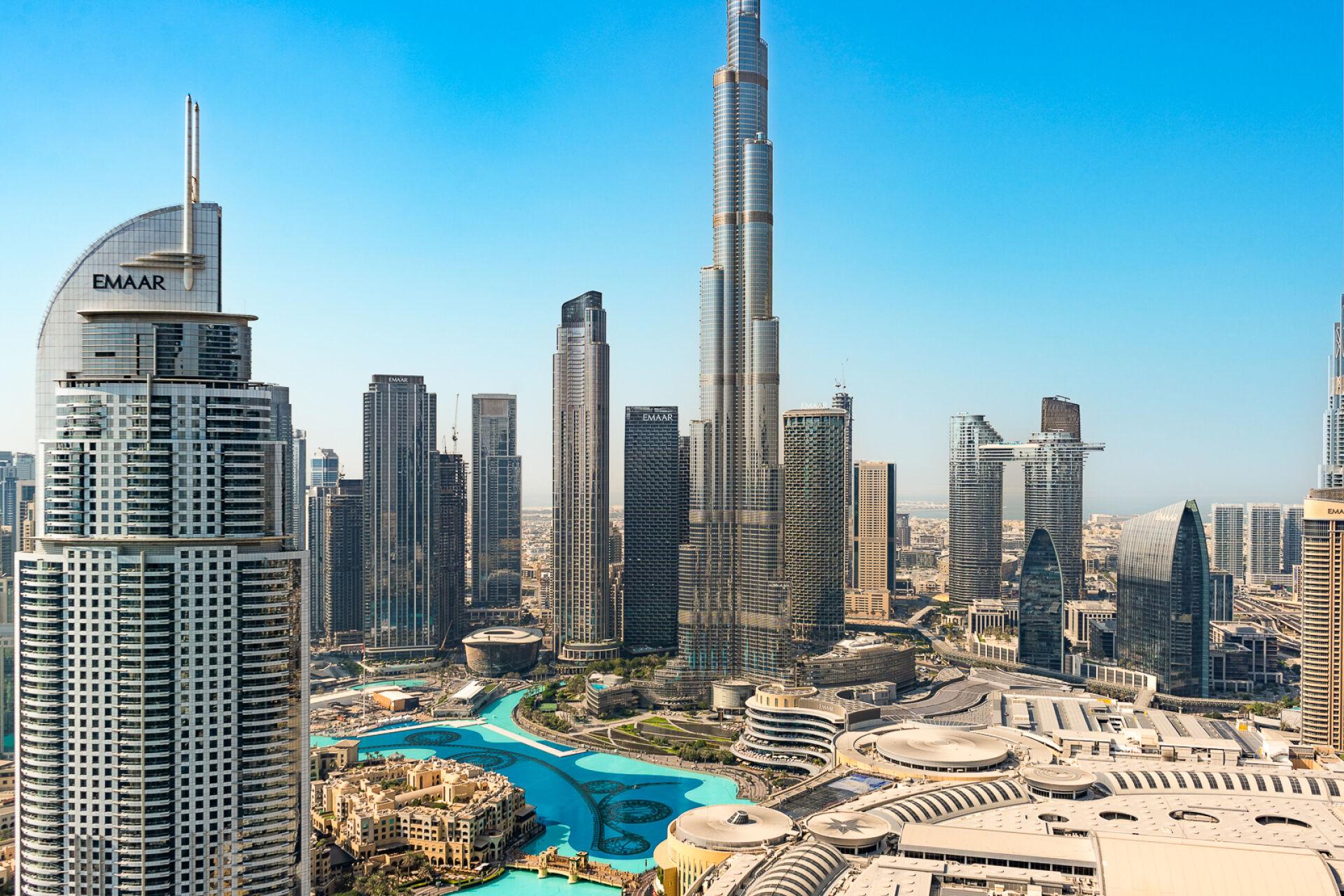
Downtown Dubai: Established central-city appeal
Downtown Dubai attracts residents and visitors through its central location, retail facilities, restaurants, hospitality offerings and proximity to major business districts.
For property investors, the area offers an established residential market with a range of apartment types.
The key consideration is pricing. Investors should compare individual buildings, views, layouts, service charges and achieved rental levels rather than assuming that every Downtown Dubai property offers the same investment potential.
Premium locations can support strong demand, but a high entry price may reduce the rental yield.
Business Bay: Residential demand near a major business district
Business Bay combines residential buildings, offices, hospitality and access to central Dubai.
Its location makes it relevant to investors researching apartments for professionals, business owners and residents seeking access to Downtown Dubai and other commercial districts.
Property selection remains important because building quality, traffic access, views, amenities and management standards can vary.
A detailed comparison of similar units can help investors identify whether a particular apartment is competitively priced for its expected rental income.
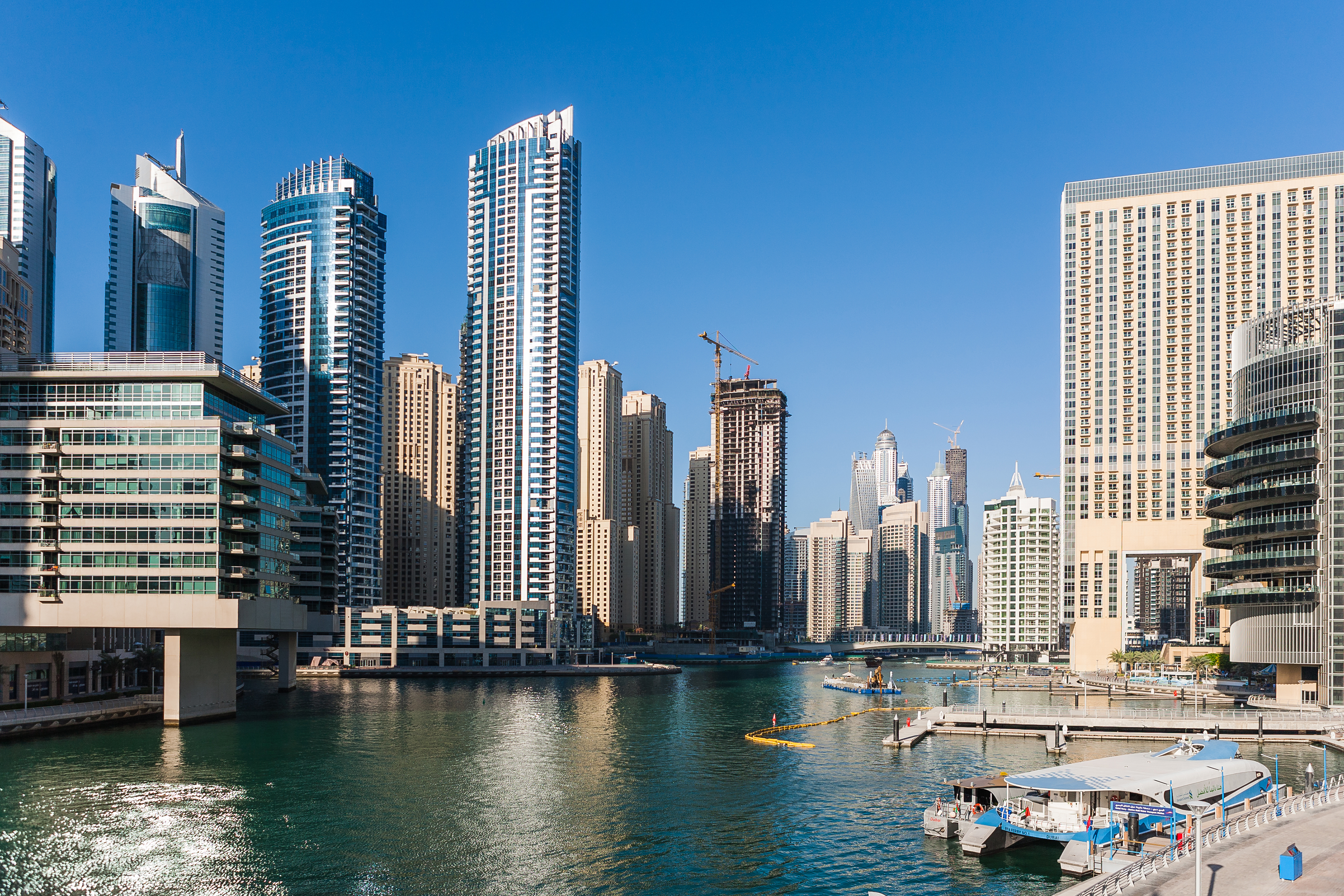
Dubai Marina: A lifestyle-driven residential market
Dubai Marina is known for its waterfront setting, restaurants, leisure facilities and residential towers.
Investors may consider the area when researching apartments that appeal to professionals and tenants seeking a lifestyle-oriented location.
The investment case should account for building age, service charges, parking, unit condition and competition from other rental properties.
For short-term rental strategies, investors should also investigate the applicable licensing, building rules, operating expenses and realistic occupancy assumptions.
Dubai Hills Estate: Community-focused residential living
Dubai Hills Estate attracts buyers interested in planned residential communities, green spaces, leisure amenities and access to schools and retail facilities.
The area may be relevant to families, owner-occupiers and investors seeking a property with broader lifestyle appeal.
When comparing apartments, townhouses and villas, buyers should examine the differences between individual subcommunities, purchase prices and likely tenant profiles.
For larger homes, maintenance costs and the relationship between rental income and the total capital invested deserve particular attention.
Jumeirah Village Circle: A location to assess for apartment investment
Jumeirah Village Circle, commonly known as JVC, is frequently considered by buyers researching Dubai apartments at different price points.
Its mix of residential buildings, community facilities and property types makes it worth evaluating for investors seeking a balance between purchase cost and rental demand.
However, investors should compare the supply of competing units, building quality, parking arrangements, service charges and the property's distance from relevant amenities.
A lower purchase price does not automatically produce a better investment. The expected rent and ongoing costs must also be considered.
How to compare these Dubai property locations
Rather than ranking communities using a single metric, investors should create a shortlist based on their priorities.
For rental-focused investments, compare the total purchase cost with achievable annual rent and operating expenses.
For long-term capital appreciation, investigate comparable transaction prices, infrastructure, future supply and the quality of the immediate neighbourhood.
For luxury property, consider privacy, design, views, scarcity, access, developer reputation and the profile of likely future buyers.
The most suitable location is the one that aligns with the investment objective, not necessarily the one with the highest profile.
4. Dubai Property Rental Yield in 2026: What Should Investors Calculate?
Rental yield is one of the most useful measures for comparing investment properties, but it is often misunderstood.
Gross rental yield measures annual rental income against the property's purchase price.
Gross rental yield formula:
Annual rental income ÷ Property purchase price × 100
For example, consider an apartment purchased for AED 2,000,000 with an assumed annual rent of AED 120,000.
AED 120,000 ÷ AED 2,000,000 × 100 = 6% gross rental yield.
This is an illustrative calculation, not a forecast or a verified rental quotation for a specific Dubai property.
The next step is to calculate the costs associated with owning and operating the apartment.
These may include service charges, maintenance, insurance where applicable, property management, periods without a tenant and other recurring expenses. Acquisition costs and financing expenses should also be considered when assessing the overall investment.
Gross yield vs net yield
Gross yield is useful for an initial comparison, but net yield provides a more realistic picture of the property's operating performance.
For example, if the illustrative apartment generates AED 120,000 in annual rent and has AED 25,000 in annual operating expenses, its income after those expenses would be AED 95,000.
Using the original AED 2,000,000 purchase price, this represents a 4.75% yield before financing costs, acquisition expenses and any other excluded items.
The actual net return will depend on the property and the investor's circumstances.
Investors should also distinguish rental yield from total investment return. Total return may include rental income and changes in property value, but capital appreciation is uncertain and should not be treated as guaranteed.
A property offering a lower gross yield may still suit an investor prioritising a particular location or property type. Conversely, a higher headline yield may not be attractive if it comes with greater vacancy, maintenance or resale risks.
The objective is to understand the full financial picture before committing capital.
5. Luxury Real Estate in Dubai: What High-Value Buyers Should Examine
Luxury property investment involves considerations that extend beyond floor area and headline price.
Buyers in the premium market may place greater importance on privacy, architectural quality, views, design, amenities, location and the property's long-term desirability.
Dubai's luxury segment includes branded residences, waterfront apartments, villas, penthouses and properties in established prime neighbourhoods. These categories can behave differently depending on buyer demand, available supply and the specific asset.
For a high-value purchase, investors should assess several factors.
Developer and construction quality: Research the developer's track record and inspect the actual property or available project documentation.
Scarcity: Consider whether the property's features are genuinely distinctive or readily available in competing developments.
Comparable transactions: Review completed sales of similar properties instead of relying only on asking prices.
Resale audience: Understand who the potential future buyers might be and whether the property appeals to a sufficiently broad group.
Ownership costs: Examine service charges, maintenance, property management and other recurring expenses.
Liquidity: A luxury property may take longer to sell than a more broadly accessible residential unit. Investors should consider whether their capital could remain tied up for an extended period.
Personal requirements: Buyers planning to use the property themselves should weigh lifestyle preferences alongside investment calculations.
A luxury property should be assessed as an individual asset. The prestige of a development alone does not establish its value or guarantee future demand.
6. Why Developer Reputation and Future Supply Matter for Off-Plan Buyers
Dubai's off-plan market has attracted substantial buyer interest, but the quality of individual opportunities varies.
Research published in July 2026 by Reuters via TradingView, citing property-market specialists, highlighted a more selective off-plan market in which buyers increasingly focus on pricing, developer track records and confidence in delivery.
This is an important consideration for anyone comparing new developments.
A project may offer attractive architecture, extensive amenities and a flexible payment plan, but the investment still needs to make financial sense relative to comparable properties.
Before booking an off-plan unit, investors should investigate:
The developer's completed projects and delivery history.
The project's registration and escrow arrangements.
The current construction stage and contractual handover provisions.
The full payment schedule and any additional charges.
Competing projects scheduled for delivery around the same period.
Expected demand for the unit type and price category.
The potential resale market and any applicable transfer restrictions or fees.
Future supply deserves particular attention. If several similar developments are expected to enter the same neighbourhood, landlords may face more competition when attracting tenants.
This does not mean that every area with new construction will underperform. It means that investors should understand how a project's future competition could affect rents, vacancy and resale prices.
The objective is to purchase a property with a defensible investment case rather than relying on launch-day excitement.
7. Buying Property in Dubai as a Foreign Investor
Dubai attracts international buyers because it offers a broad property market, an established business environment and opportunities across different residential price categories.
However, the buying process requires proper legal and financial preparation.
Foreign buyers should first verify whether the specific property is in an area where they are eligible to own property under the applicable ownership rules.
They should then review the sale agreement, title or project documentation, payment obligations, registration process and all applicable fees.
Investors purchasing through a company or another ownership structure should seek appropriate legal and tax advice in the relevant jurisdictions.
What about UAE residency through property ownership?
Property ownership and UAE residency are separate matters.
Certain qualifying property investments may support an application under applicable residency programmes, subject to the relevant eligibility criteria and approval process.
However, investors should not assume that every property purchase automatically provides a visa or that the same rules apply to every applicant.
The current requirements should be verified with the relevant UAE authorities before a property is purchased for residency purposes.
International investors should also assess tax obligations in their country of tax residence. The tax treatment of a UAE property investment can depend on the investor's nationality, residency, ownership structure and the rules of other jurisdictions.
A well-planned purchase considers these issues before signing, rather than treating them as administrative details to resolve later.
8. Dubai Real Estate Investment: Five Common Mistakes to Avoid
Even experienced investors can overlook important details when a property is marketed around a limited-time offer or a projected return.
Mistake 1: Choosing a property based only on the payment plan
A flexible payment schedule can help with cash flow, but it does not make an overpriced property a sound investment.
Compare the total purchase price with similar units and examine the full contractual obligations.
Mistake 2: Treating advertised rental yields as guaranteed
Marketing materials may show expected rental income without fully accounting for service charges, vacancy, management costs and maintenance.
Use realistic rental comparisons and calculate both gross and estimated net yield.
Mistake 3: Assuming every location will appreciate
Different neighbourhoods, buildings and property types can experience different price movements.
Review transaction evidence, future supply and the specific characteristics of the property.
Mistake 4: Ignoring the exit strategy
Investors should consider how they might sell the property before buying it.
The likely future buyer, resale demand, transaction costs and time required to complete a sale can all influence the investment decision.
Mistake 5: Making decisions based on market headlines alone
A citywide market trend does not establish the value of an individual apartment or villa.
Investors should compare actual transactions, property condition, rental evidence and project-specific information.
A disciplined buying process reduces the risk of relying on assumptions that are not supported by the available evidence.
9. What Should Investors Watch in the Dubai Property Market for the Rest of 2026?
The remainder of 2026 presents an opportunity to evaluate Dubai property through a more detailed, property-by-property approach.
Rather than attempting to predict a single market outcome, investors should monitor several indicators.
Residential transaction activity: Changes in completed sales can help indicate buyer demand and market liquidity.
Achieved rental values: Actual registered rental contracts provide more useful evidence than relying exclusively on advertised rents.
Developer delivery performance: Construction progress and completed handovers can help investors assess project execution and the availability of competing properties.
New supply: The volume and timing of new residential units may influence competition among landlords and sellers.
Price differences between comparable properties: Differences in building quality, views, layouts and location can create opportunities that broad market averages do not reveal.
Buyer confidence and financing conditions: International economic conditions, financing costs and changing investor sentiment can influence purchasing decisions.
These indicators should be assessed together. For example, a property may offer an attractive entry price but face substantial competition from new supply. Another may have a lower rental yield but stronger resale appeal because of its location or distinctive features.
There is no single metric that determines whether a property is a good investment.
For international buyers, the more useful approach is to build a shortlist, compare the available evidence and evaluate each property against a clearly defined investment objective.
10. How CrossBridge Real Estate Approaches Property Investment
At CrossBridge Real Estate, our approach begins with understanding the investor's objectives, preferred locations, available capital and investment horizon.
A property shortlist should reflect the buyer's actual requirements rather than simply presenting the most recently launched or heavily advertised developments.
Depending on the investment brief, the assessment may include:
Comparing off-plan and ready properties.
Reviewing developer track records and project information.
Comparing purchase prices with similar properties.
Assessing rental potential and estimated ownership expenses.
Examining location, amenities and future supply.
Reviewing payment structures and contractual obligations.
Identifying relevant ownership and transaction considerations.
For investors considering higher-value residential property, these comparisons can help bring greater clarity to a complex purchase decision.
The objective is not to suggest that every property will appreciate or that every investment will produce a particular yield. It is to help buyers understand the available options, the assumptions behind the numbers and the risks they should investigate before proceeding.
Whether you are researching a luxury apartment, a waterfront residence, a family villa or an off-plan development, a clear investment brief provides a stronger starting point than a search based on price alone.
Final Thoughts: The Right Dubai Property Is the One That Fits Your Investment Plan
Dubai real estate continues to offer a broad range of opportunities, from established residential communities to newly launched developments and premium waterfront properties.
But the market should not be approached as a single investment category. Each location, building and unit has its own pricing, rental prospects, costs and risks.
In 2026, investors can benefit from taking a more considered approach: compare off-plan and ready properties, verify the developer's record, examine achievable rental income, understand future supply and assess the resale market before making a commitment.
For international buyers, the strongest starting point is a clear investment objective supported by reliable property-level information.
Looking to buy property in Dubai?
CrossBridge Real Estate can help you explore available residential opportunities and compare properties according to your budget, preferred location and investment objectives.
Contact our team to discuss your Dubai property requirements and arrange a tailored property shortlist.
Frequently Asked Questions About Dubai Real Estate Investment
Is Dubai real estate a good investment in 2026?
Dubai offers a wide range of property investment opportunities, but performance varies by location, property type, purchase price and market conditions. Investors should compare individual properties and assess rental income, ownership costs, future supply and resale potential before making a decision.
Is it better to buy off-plan or ready property in Dubai?
Off-plan property may suit buyers who prefer staged payments and have a longer investment horizon. Ready property may suit investors who want to inspect the actual asset and evaluate existing rental demand. The best option depends on the buyer's objectives, risk tolerance and financial position.
Which areas in Dubai should property investors research?
Downtown Dubai, Business Bay, Dubai Marina, Dubai Hills Estate and Jumeirah Village Circle are examples of communities worth researching. Each has different price levels, property types and tenant profiles. Investors should compare specific buildings and units rather than relying on a neighbourhood's reputation alone.
What is a good rental yield for a Dubai property?
There is no universal yield that makes a property a good investment. Investors should compare achievable rent with the total purchase price and calculate estimated net income after operating expenses. Rental yields vary by location, property type, building and market conditions.
Can foreigners buy property in Dubai?
Foreign nationals can purchase property in designated freehold areas, subject to applicable rules and the requirements of the specific transaction. Buyers should verify the ownership status of the property and obtain appropriate legal advice where necessary.
Does buying property in Dubai guarantee a UAE residency visa?
No. Property ownership does not automatically guarantee residency. Certain property investments may qualify under applicable residency programmes, but eligibility requirements, documentation and approvals must be verified with the relevant authorities.
What should I check before buying off-plan property in Dubai?
Review the developer's track record, project registration, escrow arrangements, construction progress, payment schedule, contractual handover provisions, total costs and competing developments. Buyers should also understand the resale conditions and the potential risks associated with future supply.
How much money do I need to invest in Dubai real estate?
The required budget depends on the property, location, ownership structure and applicable transaction costs. Buyers should establish a realistic budget that includes the purchase price, fees, potential financing costs and a reserve for ongoing ownership expenses.
Is Dubai property suitable for long-term investment?
It may suit investors seeking long-term rental income, potential capital appreciation or personal use, depending on the property and individual circumstances. However, real estate is not risk-free, and future returns cannot be guaranteed.
How can I find the right investment property in Dubai?
Start by defining your budget, investment horizon, preferred property type and income objectives. Compare available properties using verified transaction data, realistic rental estimates, developer information and total ownership costs. A qualified real estate adviser can help you evaluate options and organise a property shortlist based on your requirements.
About CrossBridge Real Estate
CrossBridge Real Estate provides property advisory services in Dubai for buyers exploring residential and investment opportunities. Our focus is on helping clients compare available properties, understand their investment considerations and make informed decisions based on their individual requirements.
Website: https://crossbridge.estate